

Introduction
For decades, business strategy was defined by one primary goal: maximizing shareholder value. But in today’s world, companies are increasingly judged not only by their financial performance but also by their impact on society and the environment.
Sustainable growth is about finding the balance between profitability and purpose—creating long-term value for shareholders, employees, customers, and communities alike.
Why Sustainability Matters in Strategy
- Consumer expectations: Customers prefer brands that align with their values.
- Investor pressure: ESG (Environmental, Social, and Governance) criteria are now central to investment decisions.
- Regulatory landscape: Governments are tightening rules on emissions, labor practices, and corporate transparency.
- Talent attraction: Employees want to work for organizations that stand for something meaningful.
The Business Case for Purpose
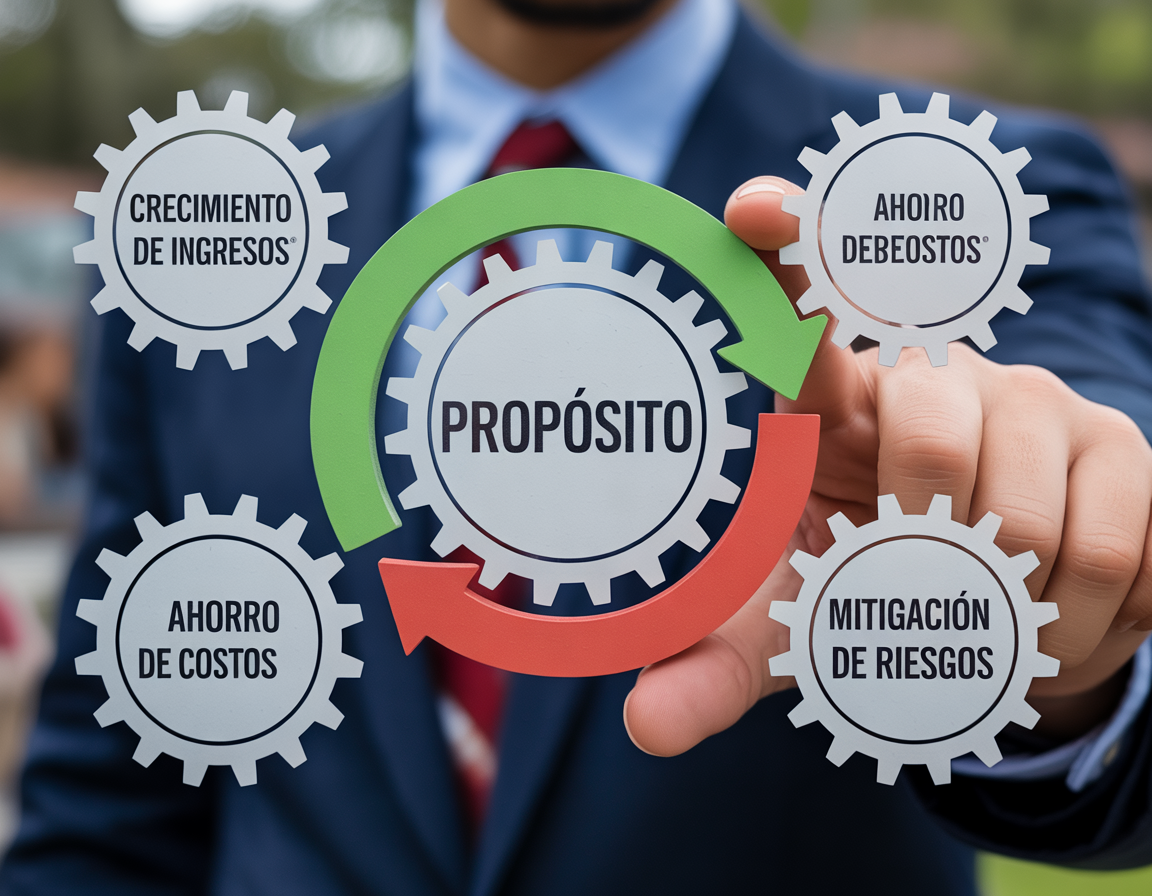
Sustainability is not charity—it’s strategy. Companies that embed purpose into their operations often see:
- Revenue growth from eco-friendly products and services.
- Cost savings through energy efficiency and waste reduction.
- Risk mitigation by anticipating regulatory and reputational challenges.
-
Brand differentiation in crowded markets.
Example: A global consumer goods company redesigned its packaging to be 100% recyclable. This not only reduced costs but also boosted sales as eco-conscious consumers rewarded the brand.
Integrating Purpose into Strategy
- Define a clear mission: Align business goals with social and environmental impact.
- Embed sustainability into operations: From supply chain sourcing to product design.
- Measure what matters: Track both financial KPIs and ESG metrics.
- Engage stakeholders: Involve employees, customers, and communities in the journey.
Overcoming Challenges
- Short-term pressure: Balancing quarterly results with long-term investments.
- Greenwashing risks: Authenticity is critical; empty claims damage trust.
- Complex supply chains: Ensuring sustainability across global networks requires transparency and collaboration.
The Role of Leadership
Leaders must champion sustainable growth by:
- Setting ambitious but realistic ESG goals.
- Communicating purpose consistently across the organization.
- Holding themselves accountable with transparent reporting.

Conclusion
Sustainable growth is not about choosing between profit and purpose—it’s about recognizing that the two are deeply interconnected. Companies that embrace this mindset will not only thrive financially but also earn the trust and loyalty of customers, employees, and investors.
Is your organization ready to balance profitability with purpose? Fill out the form at the end of this article, and the LMA Group team will help you design a sustainable growth strategy tailored to your business.
You may also be interested in:
Digital Transformation: How Technology Drives Business Growth.
Contact Us
Ready to transform your operations
Your inquiry goes straight to our digital strategy team. No spam. Just smart solutions.