
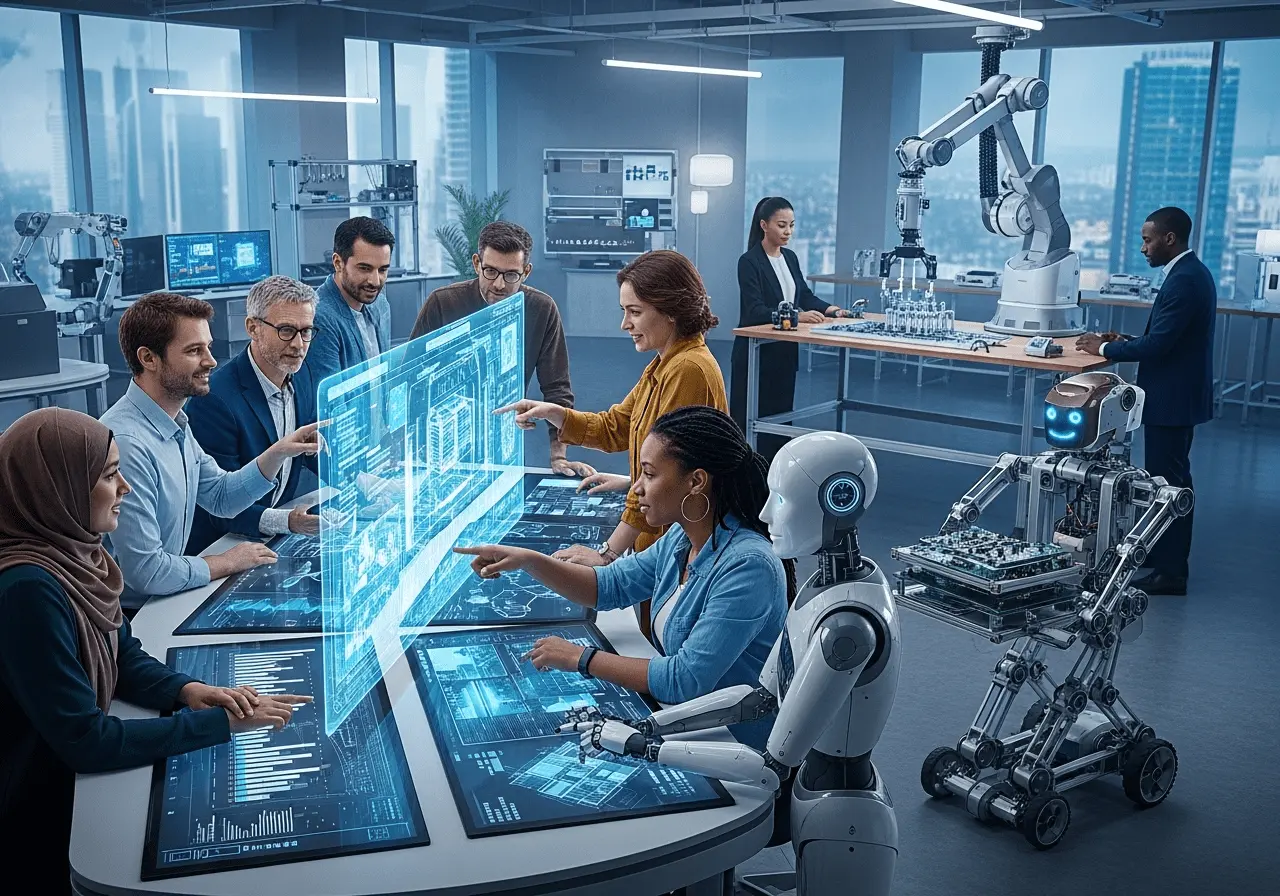
The Accelerating Pace of Technological Change
The pace of technological change is accelerating, and with it, the skills required to succeed in the workplace. Automation, artificial intelligence, and digital transformation are reshaping industries, creating both opportunities and challenges.
For organizations, the question is clear: how do we prepare our workforce for jobs that don’t yet exist? The answer lies in upskilling (mejora de habilidades) and reskilling (recapacitación).
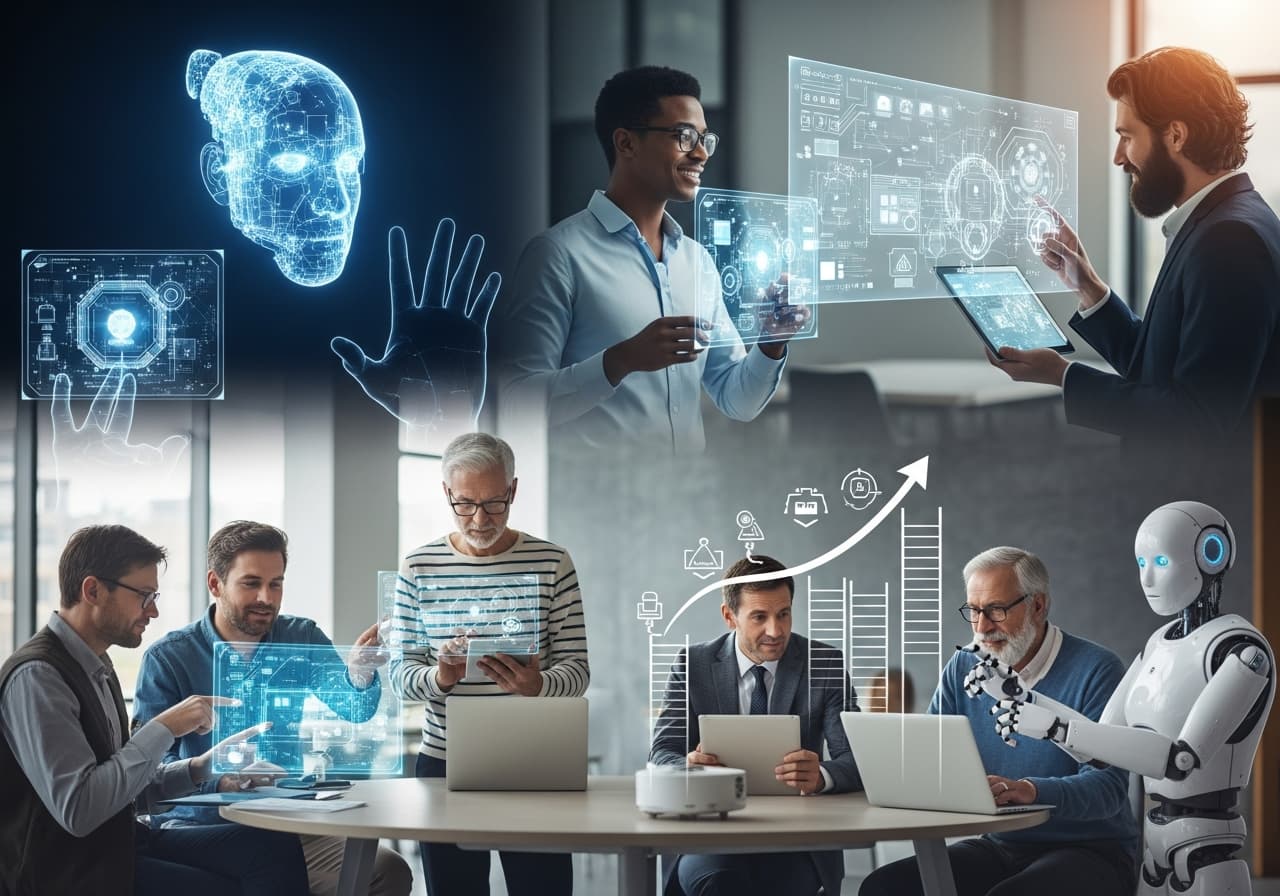
Why Upskilling and Reskilling Matter
- Bridging the skills gap: According to the World Economic Forum, 50% of employees will need reskilling by 2025.
- Employee retention: Workers are more likely to stay with companies that invest in their growth.
- Business resilience: A skilled workforce adapts faster to market disruptions.
Example: A global bank launched a digital academy to train employees in data analytics and cybersecurity, reducing external hiring costs and boosting internal mobility.
Key Strategies for Upskilling
- Continuous learning platforms: Online courses and micro-learning modules.
- Mentorship programs: Pairing junior employees with experienced leaders.
- Cross-functional projects: Encouraging employees to gain exposure beyond their core roles.
Reskilling for New Roles
Reskilling goes beyond improving current skills — it prepares employees for entirely new positions.
- AI and automation: Training workers to manage and optimize automated systems.
- Green jobs: Equipping employees with skills for sustainability and renewable energy sectors.
- Digital sales and marketing: Preparing traditional sales teams for e-commerce and digital channels.
Overcoming Barriers
- Time constraints: Employees often struggle to balance learning with daily tasks. Solution: integrate learning into workflows.
- Budget limitations: Training can be costly. Solution: leverage scalable digital platforms.
- Cultural resistance: Some employees fear change. Solution: communicate the benefits and provide incentives.
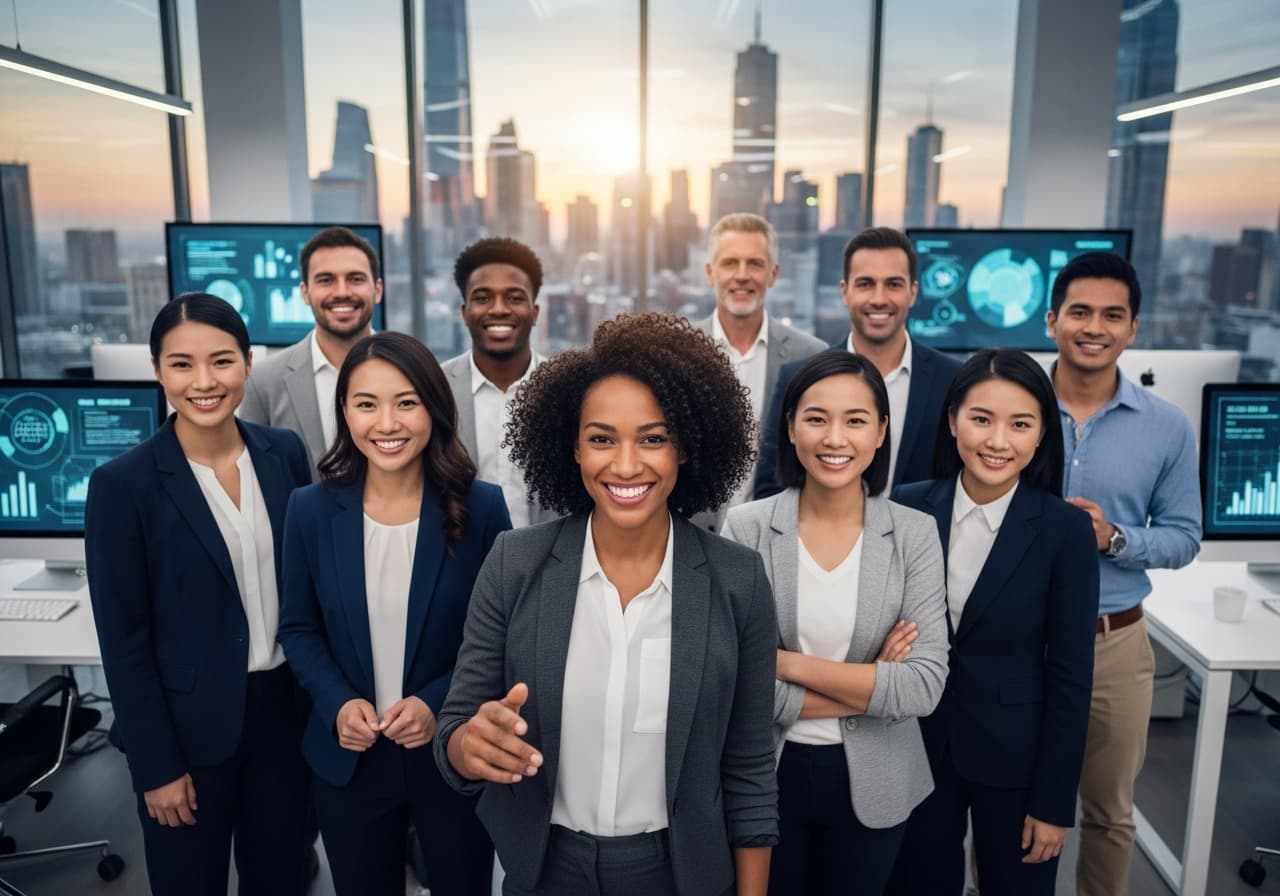
The Role of Leadership
Leaders must champion a culture of learning by:
- Setting clear expectations for continuous development.
- Recognizing and rewarding learning achievements.
- Allocating resources and time for training.
Conclusion
Upskilling and reskilling are not optional — they are essential for building a future-ready workforce. Companies that invest in learning today will be the ones leading tomorrow, with employees who are adaptable, engaged, and equipped for the challenges ahead.
Is your organization ready to future-proof its workforce? Fill out the form at the end of this article, and the LMA Group team will help you design an upskilling and reskilling strategy tailored to your business.
You may also be interested in:
The Future of Work: How to Attract and Retain Top Talent in a Global Market