

Introduction
Artificial Intelligence (AI) has moved from being a futuristic concept to a practical tool that is reshaping industries worldwide. From predictive analytics to conversational chatbots, AI is no longer just about efficiency — it’s about unlocking new business models, enhancing customer experience, and driving innovation.
For organizations that want to remain competitive, understanding how to integrate AI into their operations is no longer optional, it’s essential.
AI as a Strategic Business Driver
AI is not just a technology upgrade; it’s a strategic enabler. Companies that adopt AI effectively can:
- Predict customer behavior with greater accuracy.
- Automate repetitive tasks, freeing employees to focus on higher‑value work.
- Optimize decision‑making by analyzing vast amounts of data in real time.
Example: A global retailer uses AI‑driven demand forecasting to adjust inventory levels, reducing waste and improving margins.
Transforming Customer Experience
AI is revolutionizing how companies interact with customers:
- Chatbots and virtual assistants provide instant responses in multiple languages.
- Personalized recommendations increase engagement and sales.
- Sentiment analysis helps companies understand customer emotions and adapt their approach.
Case in point: A streaming platform leveraging AI‑based personalization increased viewing time by 25% and reduced churn significantly.
AI in Operations and Supply Chains
Beyond customer‑facing applications, AI is transforming back‑office and operational processes:
- Predictive maintenance reduces downtime in manufacturing.
- Smart logistics optimize delivery routes and cut fuel costs.
- Fraud detection in finance prevents losses and builds trust.
Ethical and Responsible AI
With great power comes responsibility. Companies must ensure that AI is:
- Transparent: decisions made by algorithms should be explainable.
- Fair: avoiding bias in hiring, lending, or customer service.
- Secure: protecting sensitive data from misuse.
Building trust in AI is as important as the technology itself.
Overcoming Barriers to Adoption
Despite its potential, many organizations struggle with AI adoption due to:
- Legacy systems that are difficult to integrate.
- Skills gaps in data science and machine learning.
- Cultural resistance to automation.
The solution lies in phased implementation, strong leadership, and partnerships with experienced technology providers.
The Future of AI in Business
Looking ahead, AI will continue to evolve from a support tool to a core business capability. Emerging trends include:
- Generative AI for content creation and product design.
- AI‑driven decision engines that guide strategy in real time.
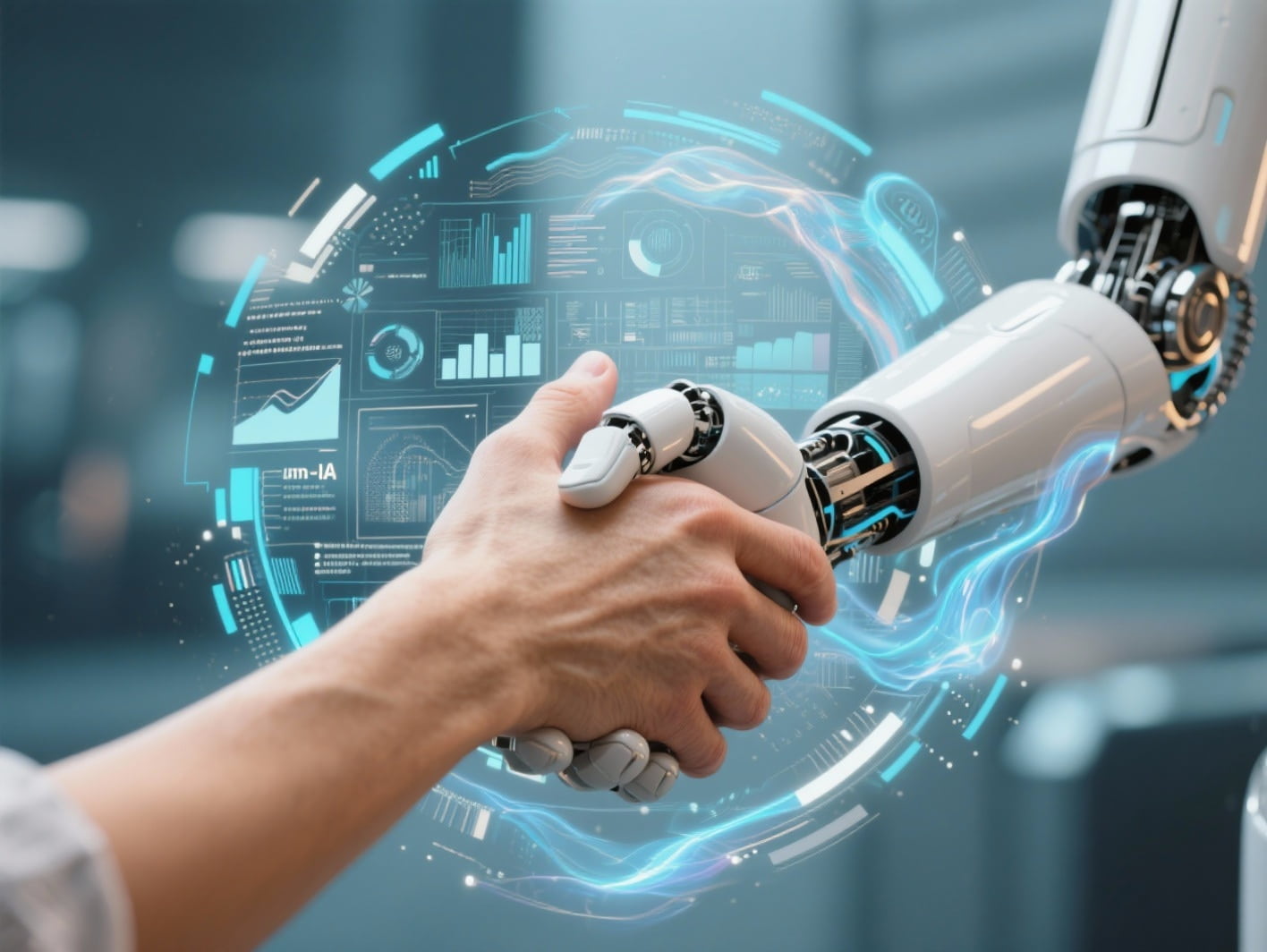
- Human‑AI collaboration models where machines handle scale and humans provide creativity and empathy.

Conclusion
AI is no longer a futuristic vision — it’s a present‑day reality shaping the future of business. Companies that embrace AI strategically will not only improve efficiency but also unlock innovation, resilience, and long‑term growth.
Is your organization ready to harness the power of AI? Fill out the form at the end of this article, and the LMA Group team will help you design an AI strategy that drives measurable results.
You may also be interested in:
Digital Transformation: How Technology Drives Business Growth.
Contact Us
Ready to transform your operations
Your inquiry goes straight to our digital strategy team. No spam. Just smart solutions.