
Introduction
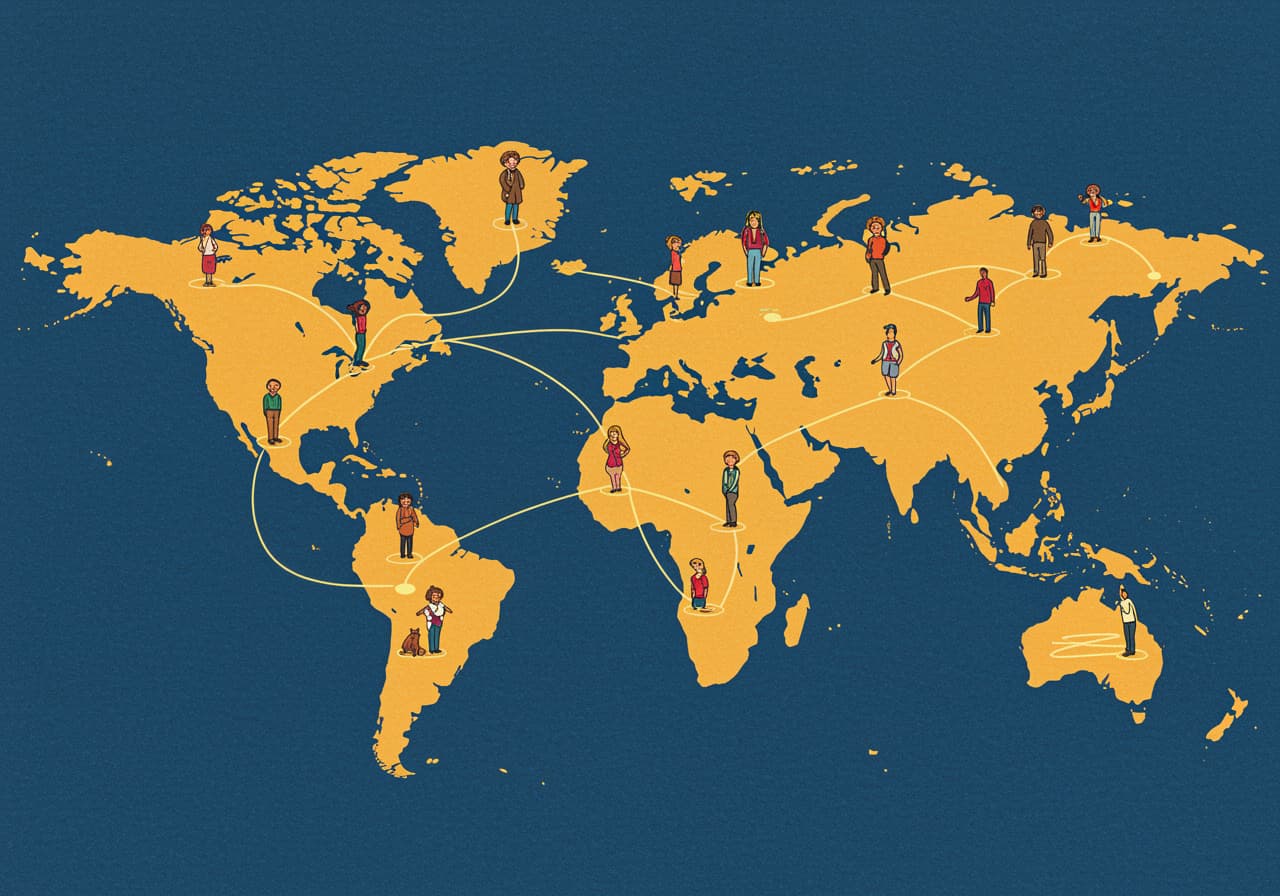
The digital revolution and changes in work culture have given way to Workforce 4.0: a distributed, technologically enabled, and hyperconnected labor force. The Human Resources strategy can no longer rely on physical proximity; it must focus on designing hybrid teams that operate seamlessly across time zones and cultures.
As your strategic partner, we propose designing this work architecture to ensure global scale and maximum performance.
Intentional Hybrid Work Design
Hybrid work is not just about allowing work from home; it is the intentional design of processes, technology, and space to optimize collaboration. A poorly implemented hybrid model can generate inequality among employees. The ideal is to design a model that anticipates key aspects:
-
Defining when physical presence is strategic (for innovation or team-building) and when it is transactional (for individual tasks).
-
The inclusive strategy requires guaranteeing equitable access to development opportunities, regardless of physical location.
Technology as a Bridge, Not a Watchdog
Technology is fundamental for the connectivity of hybrid teams, but its purpose must be to facilitate collaboration, not surveillance. The use of AI Tools must be ethical and transparent.
-
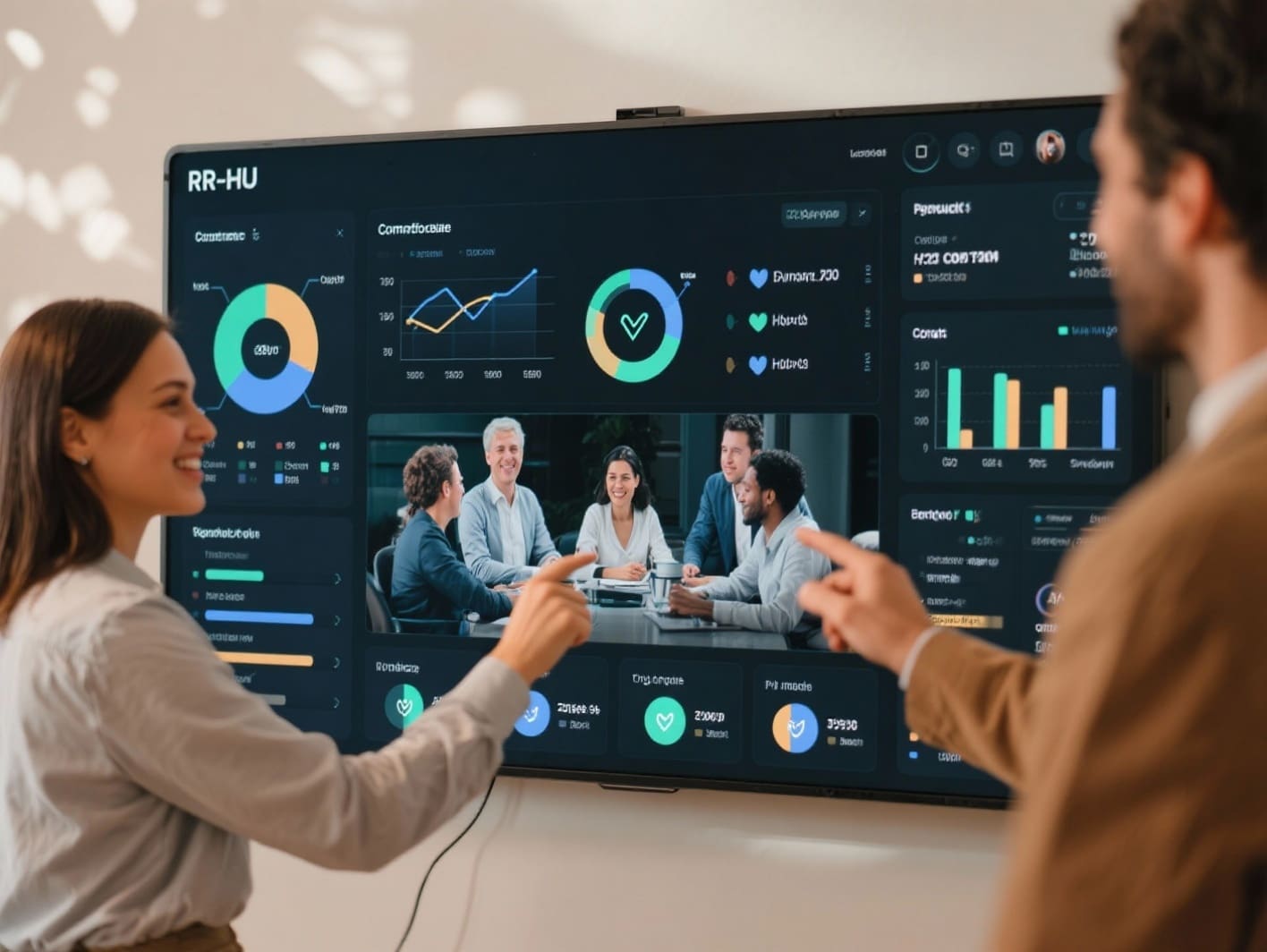
AI is used to improve productivity by automating administrative Human Resources tasks, such as scheduling interviews or managing documents, freeing up time for high-value activities.
-
Human Capital focuses on creativity and strategy.
Global Talent Attraction with Dynamic Compensation
The Workforce 4.0 allows companies to hire the best talent, regardless of their geographical location. However, this requires a sophisticated and dynamic compensation strategy.
- Global companies must use compensation models based on factors like local cost of living and skill scarcity, not just the location of the headquarters.
- This global strategy approach attracts elite talent and manages equity sustainably.
The Hyper-Personalization of Career Paths
A mass approach to career development is no longer effective. Employees expect their professional trajectory to be hyper-personalized to their skills, interests, and aspirations.
- AI can analyze performance data and skill gaps to offer unique learning paths and internal projects for each individual.
- This level of Personalization demonstrates the organization’s commitment to individual growth, boosting retention.
Measuring the Impact of Digital Well-being
The hyperconnection of hybrid work can lead to burnout (exhaustion). The HR strategy must proactively measure digital well-being and promote a healthy balance.
-
Analytical tools are used to measure hours spent in meetings or response time outside of working hours.
-
Cognitive Ergonomics focuses on designing work to reduce mental overload, maintaining an optimistic and proactive culture.
Connection Leadership: Fostering Trust at a Distance
In distributed teams, trust can no longer depend on direct supervision. Leaders must transform into “connectors” who facilitate communication, autonomy, and goal alignment.
-
Leadership training focuses on soft skills such as active listening, empathy, and managing cultural ambiguity.
-
An adaptable and close leadership style is key to the success of the hybrid model.
The Zero-Touch Employee Experience
From onboarding to development, the Employee Experience (EX) must be as fluid and “zero-touch” (frictionless) as possible. Robotic Process Automation (RPA) tools are vital.
-
RPA can automate benefits management, contract signing, and work equipment assignment.
-
This frees up HR staff to focus on strategy and human support, ensuring that the Workforce 4.0 is efficient.

Conclusion
The Workforce 4.0 is the reality of business at global scale. The challenge for Human Resources is to shift from traditional management to the engineering of a talent ecosystem that is inherently distributed, technological, and human-centered. This is the only way to ensure sustainable performance and innovation.
At LMA Group, we are architects of the talent strategy for the future. We help you design, implement, and measure the success of hybrid models and integrate AI to boost human growth. If you are ready to transform your workforce into an anti-fragile engine for global scale, contact us today. Let’s design your competitive advantage of tomorrow.
You may also be interested in:
How to Choose the Right Outsourcing Partner in Emerging Markets.
Contact Us
Ready to transform your operations
Your inquiry goes straight to our digital strategy team. No spam. Just smart solutions.